
 Seminar at SoftUni Creative
Last updated on
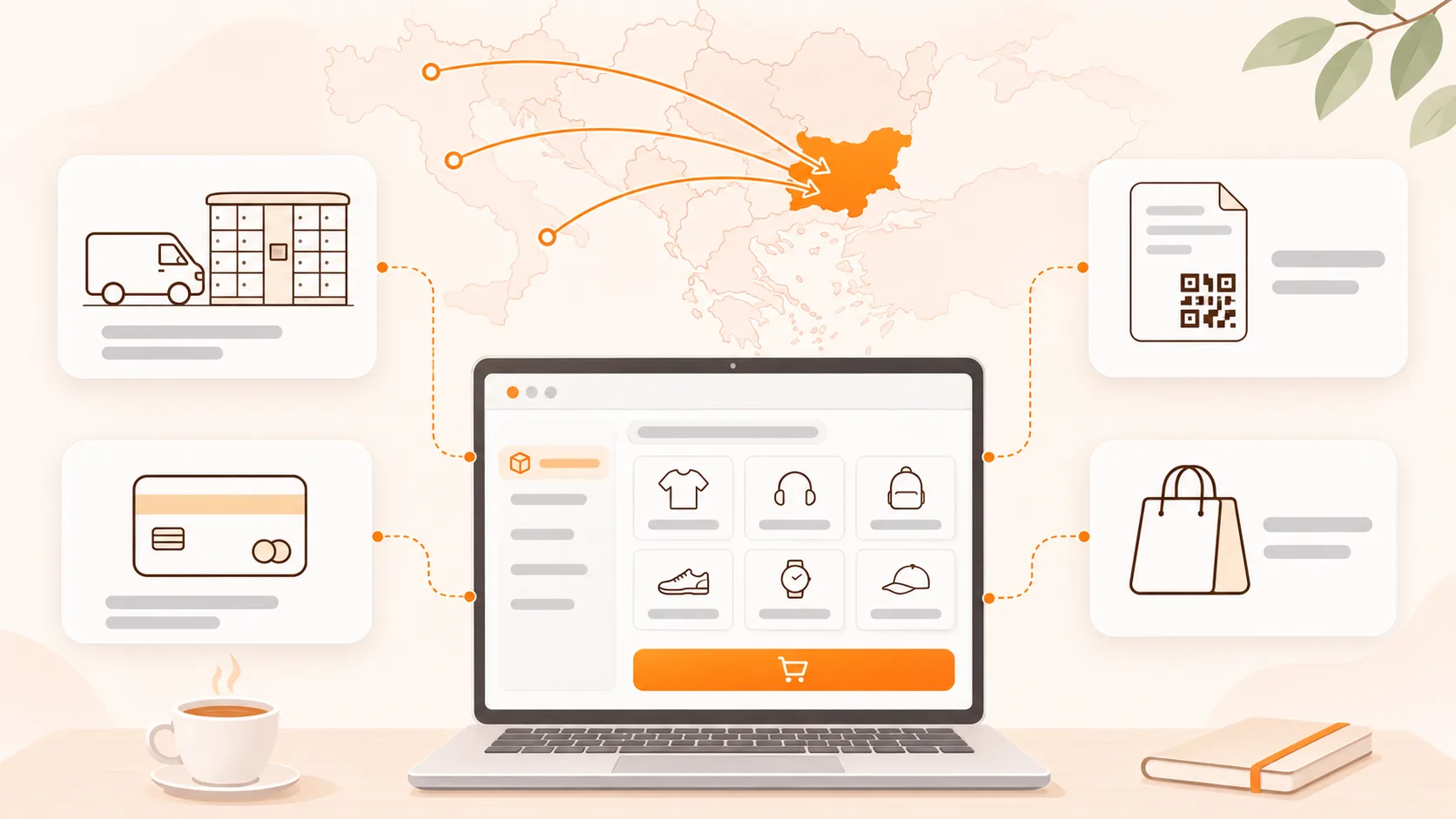
Your brand already sells in Germany, Italy or Greece. Now a distributor, or your own team, wants to open an online store for Bulgaria.
On paper, it looks like another language version. In practice, Bulgaria has its own couriers, its own payment habits and its own rules for registering online sales with the tax authority. Those are the parts that decide whether the store sells or stalls.
We have built and redesigned the Bulgarian stores of international brands such as illycaffè, Ariete and Wacaco. Below is what we would want any foreign brand to know before launching here: the market, delivery, payments, the National Revenue Agency’s rules for online stores, VAT and the content itself.
The short version
- Bulgaria joined the euro area on 1 January 2026, so prices are in euro, like in the rest of the eurozone.
- More than one in four internet users in Bulgaria did not buy anything online in 2025. Trust and familiar payment methods matter more than in Western Europe.
- Shoppers expect delivery by the local couriers, Speedy and Econt, to an address, a courier office or a parcel locker.
- Card payments, Apple Pay and Google Pay are expected. Cash on delivery is still a common choice in the stores we work on. Instalment payments help with higher-priced products.
- Online stores have to register the store with the National Revenue Agency under Ordinance N-18 before they start selling, and document every sale in one of the permitted ways.
- The store needs to be in Bulgarian, with local keyword research. A translated international site rarely ranks.
The market in a few numbers
According to Eurostat, 78% of internet users in the EU bought or ordered goods or services online in 2025. In Bulgaria, 27% of internet users did not buy anything online that year, one of the highest shares in the EU, together with Portugal, Italy and Cyprus.
What this means in practice: the market is still growing, and many buyers are relatively new to shopping online. They look for signals they recognise: a local courier, a Bulgarian phone number, cash on delivery, reviews from other Bulgarian customers.
Bulgaria joined the euro area on 1 January 2026. For a brand from the eurozone, that removes one barrier: no currency conversion, the same price logic as in the rest of the euro area.
Who runs the store: brand or distributor
Many international brands in Bulgaria sell online through an official distributor or representative, not directly. That decides who owns the store, the customer data and the relationship with the couriers and the tax authority.
| Model | How it works | What to check |
|---|---|---|
| Official distributor runs the store | The distributor is the seller, registers the store and handles orders | Brand guidelines, who owns the domain and data, how product content is kept in sync |
| Brand sells directly from abroad | The brand’s own EU company sells to Bulgarian consumers | VAT on distance sales, local delivery and returns, registration rules for the payment methods used |
| Brand opens a local company | A Bulgarian entity sells as a local store | All local obligations, but the simplest experience for the customer |
The illycaffè store in Bulgaria is a good example of the first model. It is run by the official distributor, and when we redesigned it, the ERP sync, courier integration and fiscal requirements stayed in place while the structure and design changed. Orders grew by 52.8% with almost the same traffic.
Delivery: Speedy, Econt and parcel lockers
Bulgarian shoppers expect to choose between delivery to an address, to a courier office or to a parcel locker, and to see the price before checkout. Speedy and Econt are the couriers we integrate in practically every Bulgarian store we build.
In our projects, the store usually integrates both: the customer picks an office or locker on a map during checkout, and the waybill is created automatically when the order is processed. For Homewell, for example, the store offers Speedy and Econt to an address, an office or a parcel locker, card payment through DSK Bank’s module and cash on delivery.
Worth knowing: Show the delivery price and delivery time on the product page, not only in the cart. For a buyer who is not used to ordering online, an unexpected delivery cost at the last step is the easiest reason to leave.
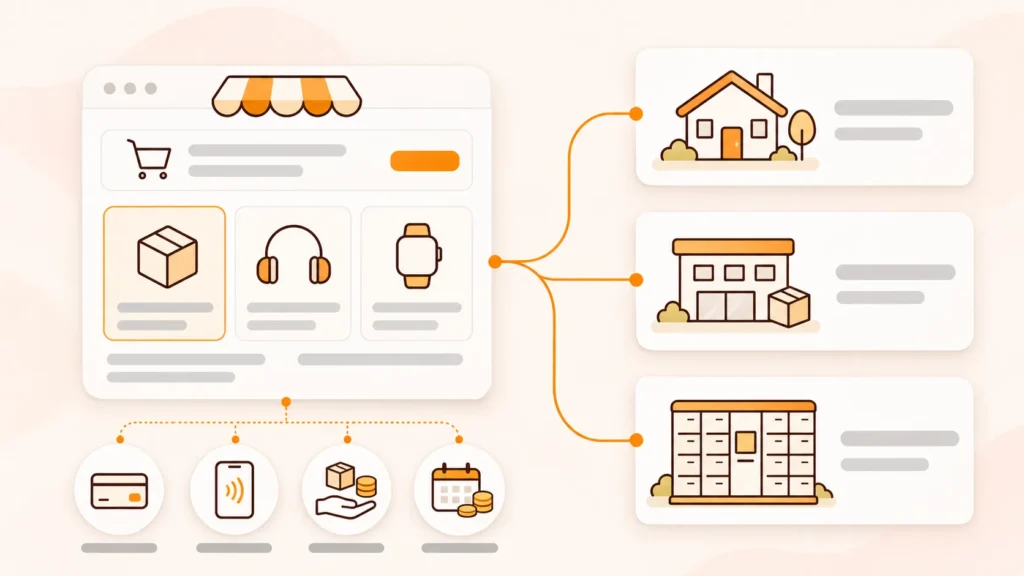
Payments: card, cash on delivery and instalments
| Method | When it matters |
|---|---|
| Card, Apple Pay, Google Pay | Expected by most buyers, especially on mobile |
| Cash on delivery | Still a common choice. Removing it can cost orders |
| Instalments | Higher-priced products, such as appliances and electronics |
| Bank transfer | Business customers who want an invoice first |
Card payments are accepted either through a virtual POS terminal contracted with a Bulgarian bank, or through a payment service provider. The choice also affects the tax registration described below, because the National Revenue Agency asks for the payment providers and the merchant ID.
Cash on delivery comes with a cost: every refused parcel means delivery both ways and stock tied up. Many stores in Bulgaria still keep it, because for part of their customers it is the only way they will order.
Registering the store with the National Revenue Agency
This is the part foreign brands most often do not expect.
According to the National Revenue Agency (NRA), anyone who sells through an online store and accepts payments that require a fiscal receipt has to submit information about the store to the NRA, under Ordinance N-18. This applies whether the domain is your own or the store runs on a third-party platform. The information includes the store’s name and address, the seller, the type of goods, the store software and the hosting provider, and it has to be submitted before sales start, through the NRA’s online portal with a qualified electronic signature. Any change has to be reported within 7 days.
Every sale then has to be documented. There are two main routes:
| Route | How a sale is documented |
|---|---|
| Fiscal device or certified sales software | A fiscal receipt for each sale, issued through a fiscal device or certified store management software |
| Alternative regime for card payments | A sales document generated by the store, with a unique order number, the transaction reference and a QR code, sent to the customer electronically, plus a monthly audit file to the NRA |
The alternative regime applies to sales paid remotely by credit or debit card. To use it, the store has to declare its payment methods, payment providers, merchant ID and payment accounts. The NRA assigns the store a unique number. The monthly audit file covers the orders delivered during the month and is due by the 15th of the following month.
On WooCommerce, the sales document, the order number format and the audit file are generated by the store itself, so they have to be planned as part of the build, not added after launch.
Be careful: Which route applies depends on the payment methods you accept, cash on delivery included. Confirm the setup with a Bulgarian accountant before launch, so the first inspection is not where you find out.
VAT when you sell from another EU country
If your company is established in another EU country and ships goods to Bulgarian consumers, the EU rules on distance sales apply. According to the European Commission, above an EU-wide threshold of 10,000 euro a year, VAT is due in the country where the goods are delivered, in this case Bulgaria. The One Stop Shop (OSS) lets you declare it in your own country, with one quarterly return.
If a local distributor or a Bulgarian company is the seller, Bulgarian VAT applies as for any domestic sale.
Content: Bulgarian, not translated
Bulgarian is written in Cyrillic, and Bulgarian shoppers search in Bulgarian. A product page translated from English, with the original structure and keywords, rarely ranks here.
What works in our experience:
- Keyword research for Bulgaria before the structure. The way people search for a product category locally often differs from a direct translation.
- Product information, delivery, returns and terms in Bulgarian, written for local buyers.
- Local proof: reviews from Bulgarian customers, a Bulgarian phone number and visible contact details.
- Accessibility from the start. The European Accessibility Act applies to Bulgarian stores too.
For Ariete, the official representative of the Italian appliance brand in Bulgaria, the redesign started from how Bulgarian buyers actually used the old store. Revenue from organic search grew 2.9 times after the redesign and ongoing SEO.
A launch checklist
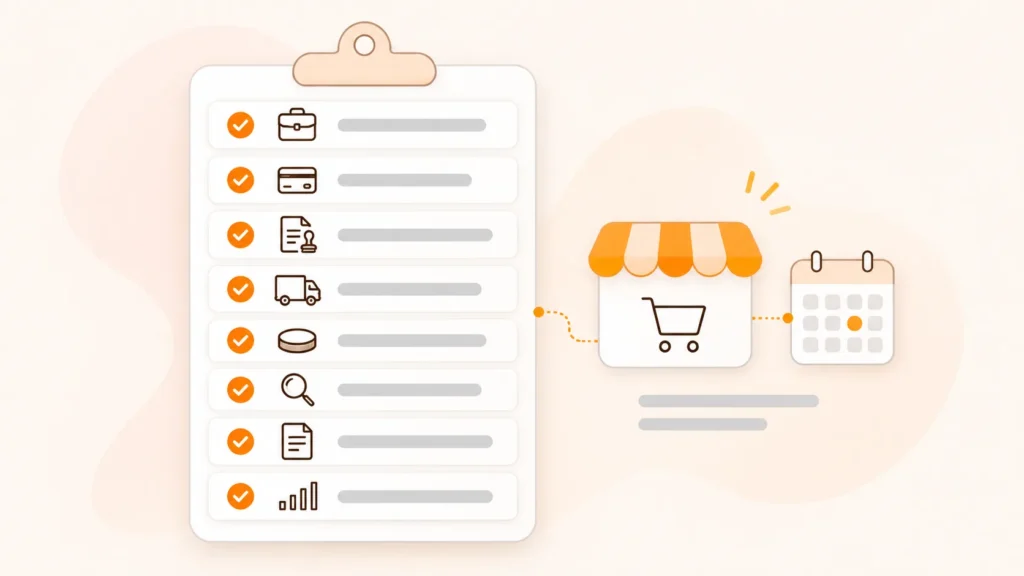
- Decide who the seller is: the brand, a local company or the distributor.
- Choose payment methods, and from them the fiscal route under Ordinance N-18.
- Register the store with the NRA before the first sale.
- Integrate Speedy and Econt, with offices and parcel lockers.
- Set up card payments, cash on delivery and, for higher-priced products, instalments.
- Do keyword research in Bulgarian and build the structure from it.
- Prepare terms, returns and privacy information in Bulgarian.
- Set up measurement: GA4, Search Console and a way to see which orders come from which channel.
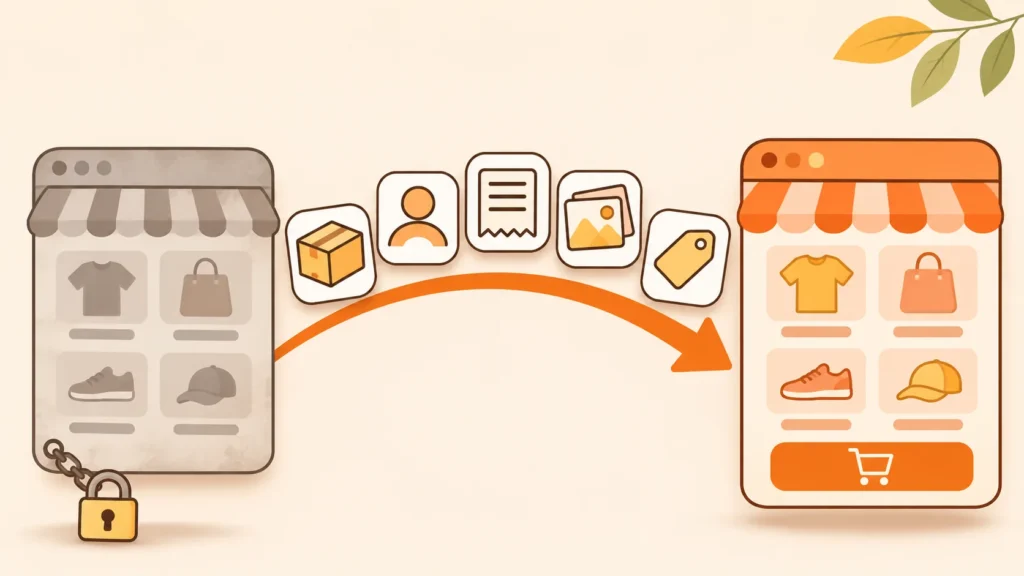
If you are moving an existing store rather than starting from scratch, see our guide to migrating to WooCommerce.
Frequently asked questions
Do we need a Bulgarian company to sell online in Bulgaria?
Not necessarily. A company from another EU country can sell to Bulgarian consumers, applying the EU rules on distance sales and VAT. Many brands still work through a local distributor, because delivery, returns, payments and local obligations are simpler that way.
Which couriers should a Bulgarian online store offer?
Most buyers know Speedy and Econt and expect a choice between delivery to an address, a courier office or a parcel locker. Integrating both, with the office or locker selected at checkout, is the usual setup.
Is cash on delivery still necessary?
For most consumer stores, yes. In the stores we work on, it is still a common choice. It adds the cost of refused parcels, so the store should make card payment just as easy and track how many cash-on-delivery orders are returned.
What is Ordinance N-18?
It is the Bulgarian regulation on registering and reporting sales. For online stores, it requires the store to be registered with the National Revenue Agency before sales start, if it accepts payments that require a fiscal receipt, and every sale to be documented through a fiscal device, certified software or, for card payments, the alternative regime with a QR-coded sales document and a monthly audit file.
Do we pay VAT in Bulgaria if we sell from another EU country?
Above the EU-wide threshold of 10,000 euro a year in distance sales to consumers, yes: VAT is due in Bulgaria. The One Stop Shop lets you declare it in your own country. Below the threshold, the VAT of your own country generally applies.
How long does it take to launch a store for Bulgaria?
For a store with a clear product range and existing content, a few weeks for design and development, plus the time needed for the payment contracts and the NRA registration. Starting those in parallel with the build saves the most time.
Key takeaways
- Bulgaria uses the euro, but delivery, payments and tax registration are local.
- Speedy, Econt, parcel lockers and cash on delivery are what buyers expect.
- The NRA registration under Ordinance N-18 comes before the first sale, and the fiscal route depends on your payment methods.
- Bulgarian content needs its own keyword research, not a translation.
- Plan the sales documents and integrations into the build, not after launch.
Planning a store for Bulgaria?
We can walk you through what a Bulgarian store needs for your product range: delivery, payments, the NRA registration and the structure of the catalog.
Contact us with your brand and the market plan. See how we approach WooCommerce development.